
MusebyClios
Muse by Clio is the editorial arm of Clio Awards, delivering daily coverage of creativity, culture, advertising, and entertainment. As a fast-moving digital publication, Muse serves agencies, brands, creatives, and industry leaders with breaking news, features, interviews, and thought leadership.
Project
Objective
Transforming Muse into an Editor-First Digital Publication Platform
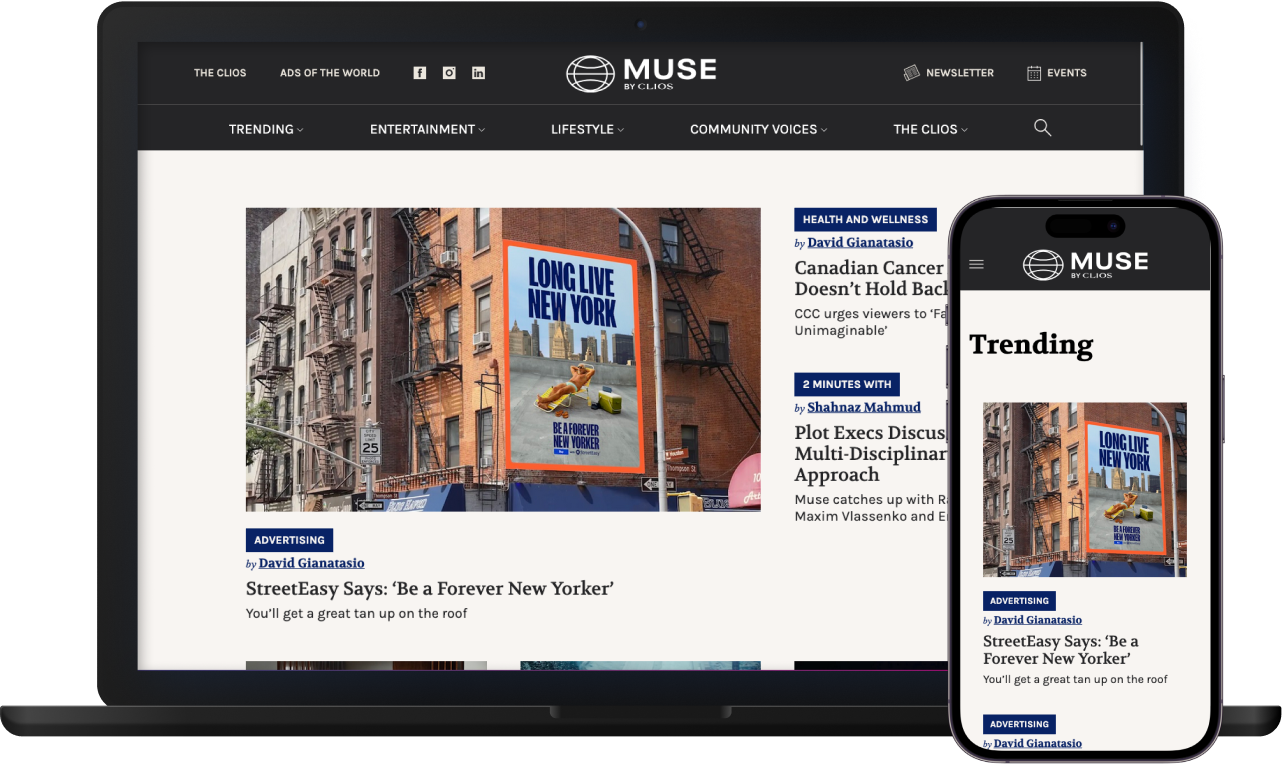
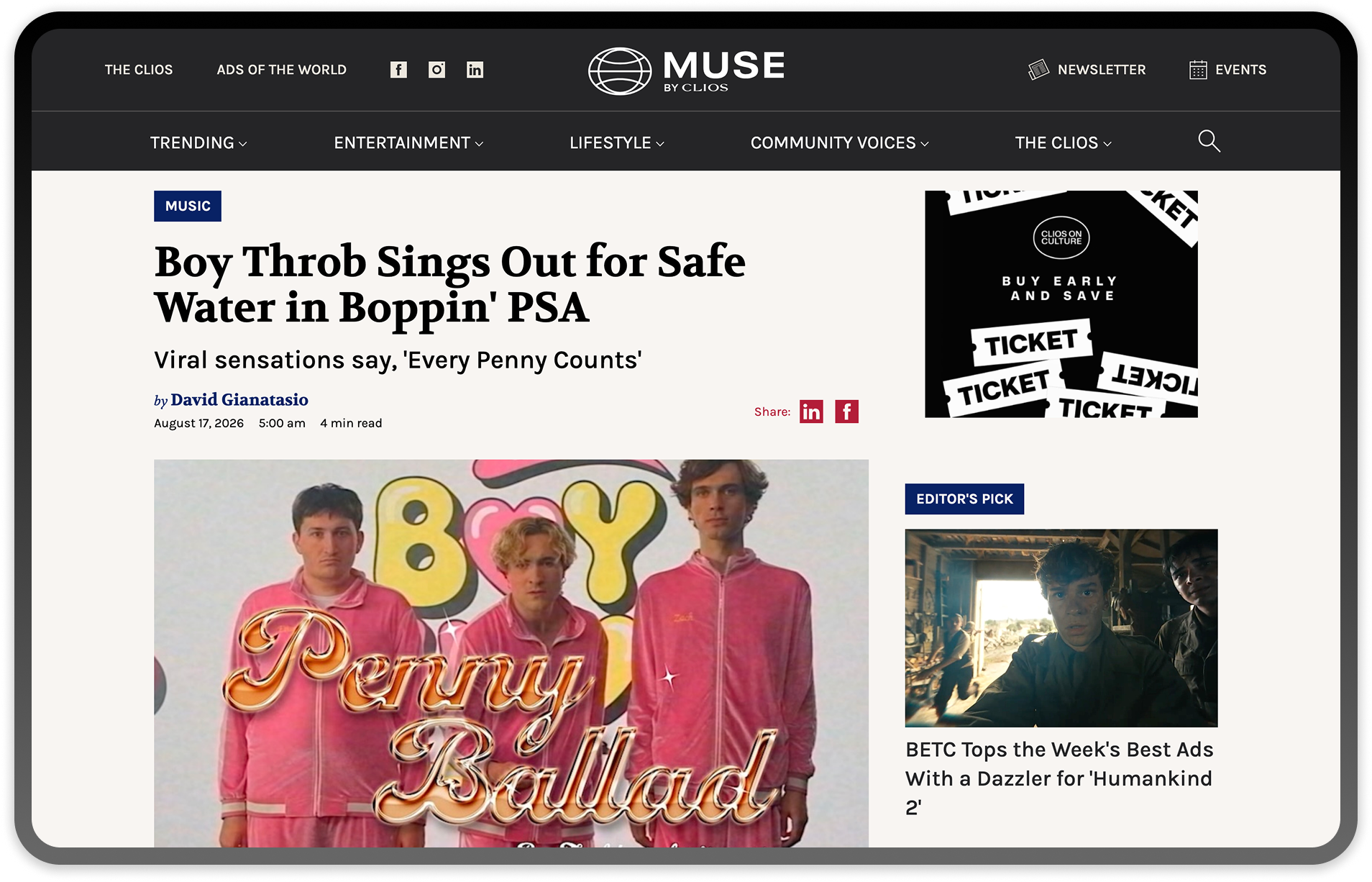
Muse partnered with our team to modernize MusebyClio, migrating the publication from a restrictive Drupal platform to a flexible, editor-first WordPress ecosystem. The goal was to empower editors with greater creative control, improve publishing speed, enhance storytelling capabilities, and support the growing volume of multimedia-rich editorial content.
[Challenge / Problem Statement]
Muse’s legacy CMS created friction in the publishing process, limiting editors’ ability to build visually rich stories without developer support. Layout flexibility was constrained, multimedia integration was cumbersome, and publishing timelines were slowed by technical dependencies.
At the same time, Muse maintained a large and growing editorial archive that required careful migration to preserve metadata, authorship, SEO rankings, and content structure. The publication needed a platform that could scale with its output while supporting more creative, dynamic storytelling.
Our
Approach
Reimagining Muse’s Digital Publishing Experience
To modernize MusebyClio, we delivered a comprehensive platform transformation focused on three key pillars: editorial empowerment, content continuity, and performance optimization. Together, these initiatives created a faster, more flexible publishing ecosystem designed to support both creative experimentation and long-term scalability.
Editor-First Platform & Design System
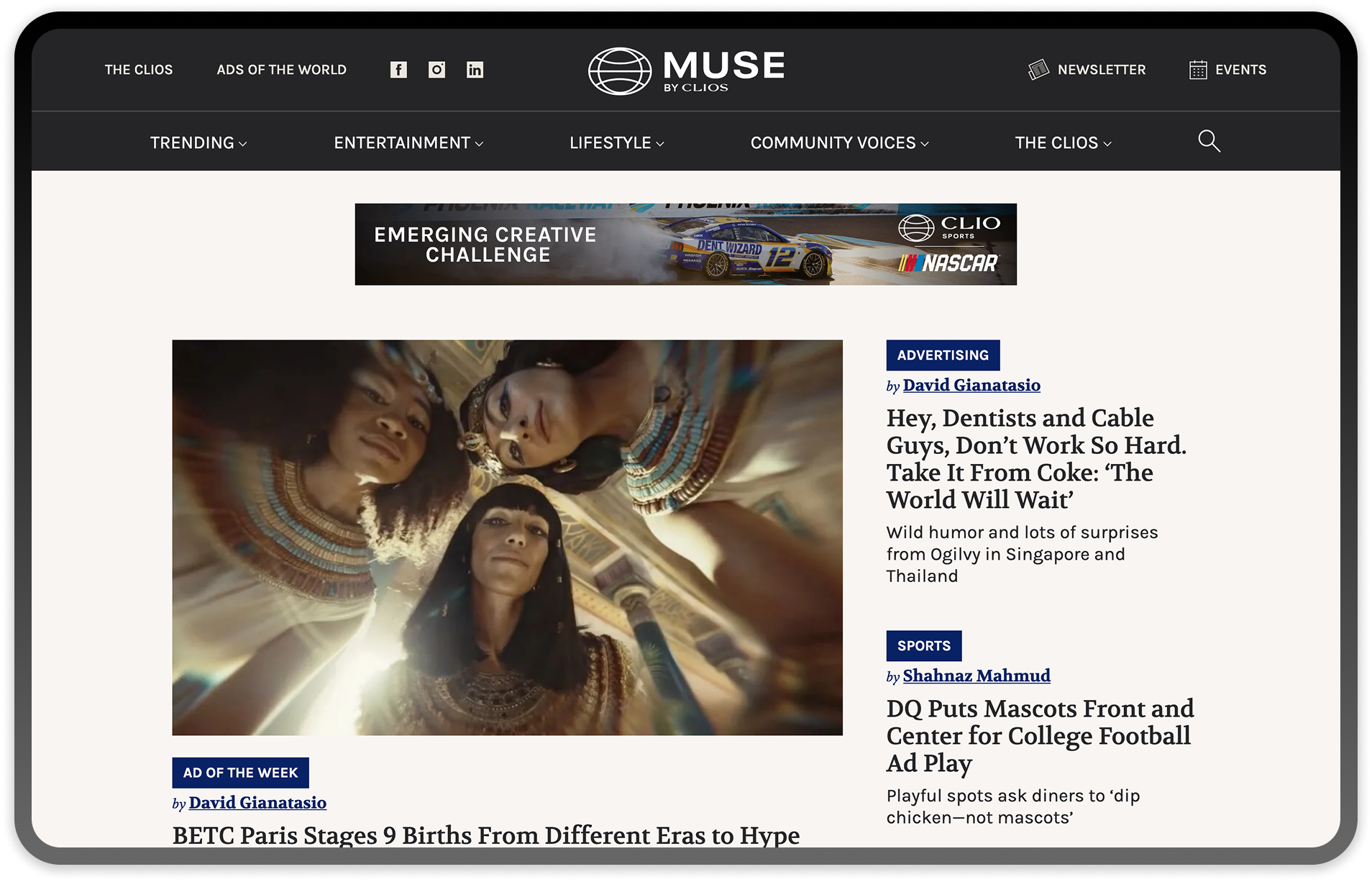
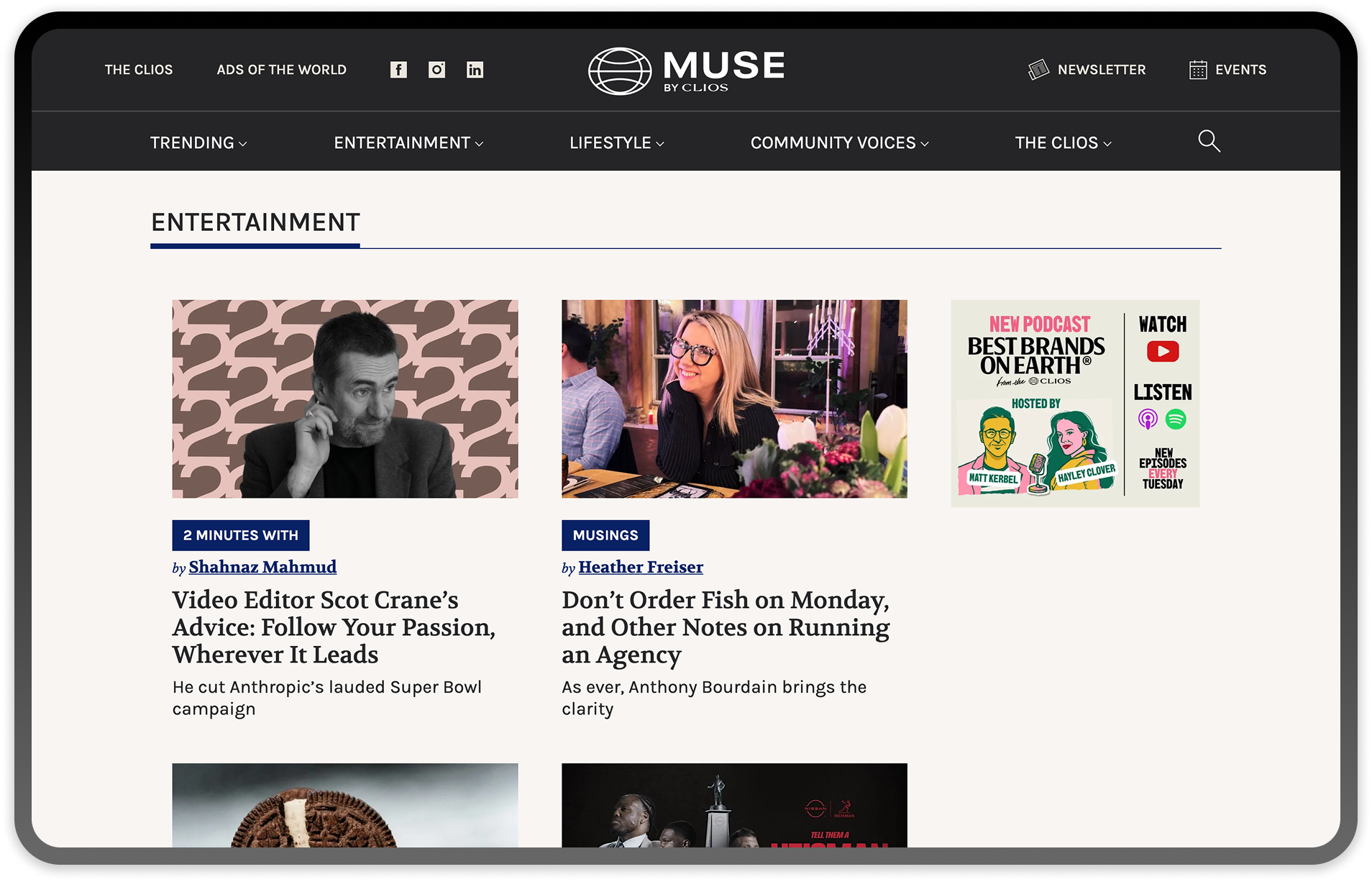
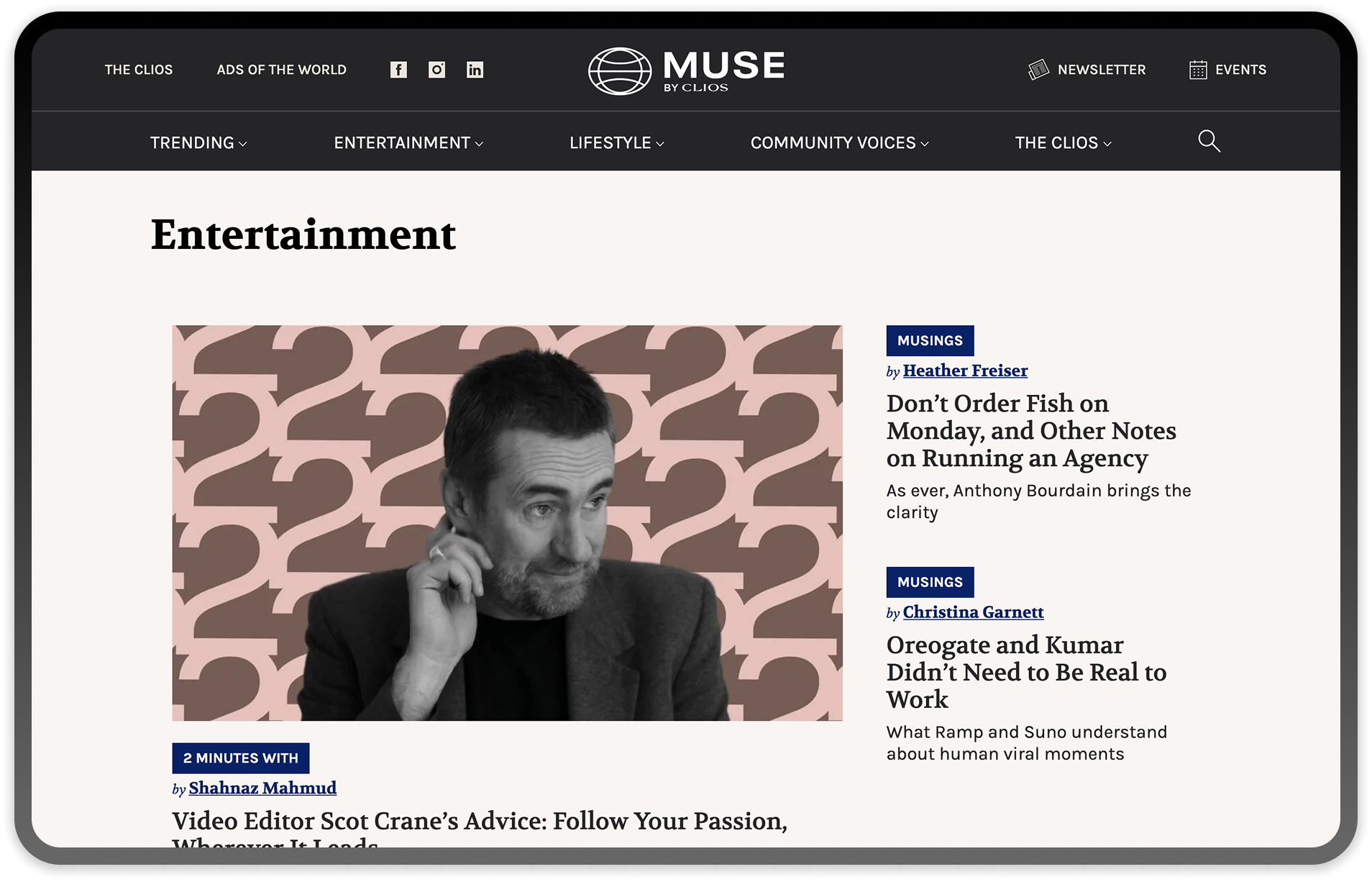
We built a custom WordPress platform centered on editorial autonomy and storytelling flexibility. A tailored Gutenberg-based block library was developed to support dynamic article layouts, image galleries, pull quotes, video embeds, and longform feature formats. This modular system allows editors to create visually rich stories without developer intervention, ensuring consistency with brand standards while enabling creative freedom.
Structured Content Migration & SEO Preservation
Our team executed a large-scale migration to preserve years of editorial content, contributor profiles, metadata, and SEO-critical URLs. Articles were restructured to align with the new block-based architecture, maintaining discoverability, internal linking, and search performance. This approach ensured a seamless transition for readers and editors alike, without compromising historical content integrity.
Performance & Infrastructure Optimization
To support global readership and high-volume publishing, we implemented targeted performance enhancements across the platform. Media optimization, lazy loading, CDN integration, and infrastructure tuning significantly improved load times and reliability. The result is a fast, resilient site that performs consistently across devices and geographies, even during traffic spikes.
Editor-First Platform & Design System
We built a custom WordPress platform centered on editorial autonomy and storytelling flexibility. A tailored Gutenberg-based block library was developed to support dynamic article layouts, image galleries, pull quotes, video embeds, and longform feature formats. This modular system allows editors to create visually rich stories without developer intervention, ensuring consistency with brand standards while enabling creative freedom.
Structured Content Migration & SEO Preservation
Our team executed a large-scale migration to preserve years of editorial content, contributor profiles, metadata, and SEO-critical URLs. Articles were restructured to align with the new block-based architecture, maintaining discoverability, internal linking, and search performance. This approach ensured a seamless transition for readers and editors alike, without compromising historical content integrity.
Performance & Infrastructure Optimization
To support global readership and high-volume publishing, we implemented targeted performance enhancements across the platform. Media optimization, lazy loading, CDN integration, and infrastructure tuning significantly improved load times and reliability. The result is a fast, resilient site that performs consistently across devices and geographies, even during traffic spikes.
Results &
Outcomes
A Modern Publishing Engine Built for Speed, Flexibility, and Creative Control
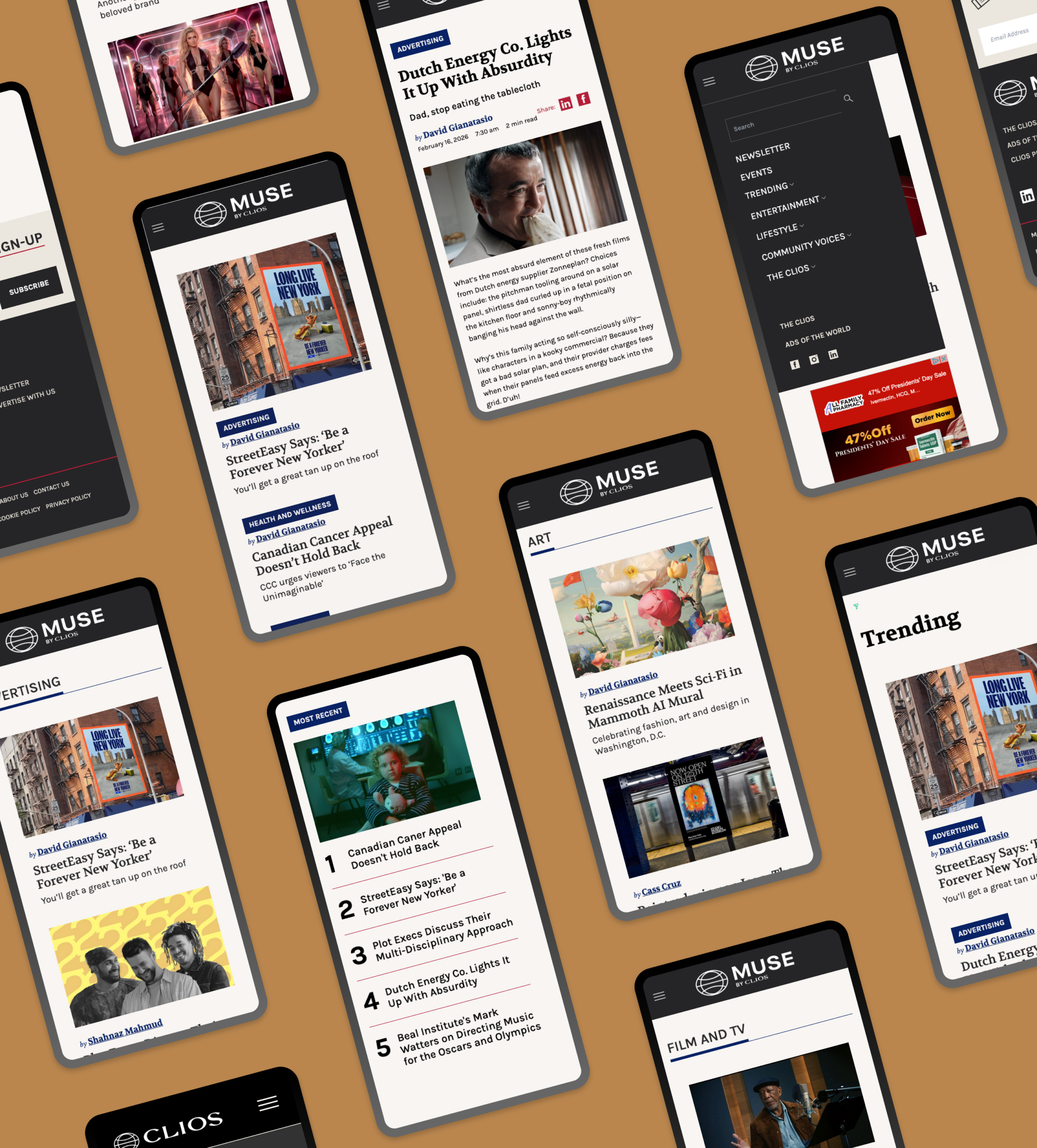
MusebyClio now operates on a faster, more flexible publishing platform that significantly improves editorial autonomy and production speed. Editors can launch stories more quickly, experiment with richer formats, and respond in real time to breaking creative news—all while maintaining a consistent brand experience.
Key Outcomes:
• Estimated 70% reduction in reliance on developers for layout and formatting
• Faster publishing workflows and shorter turnaround times
• Improved global performance and page load speeds
• A scalable editorial platform designed for continued growth
Platform Development / CUNY IT Helpdesk Portal
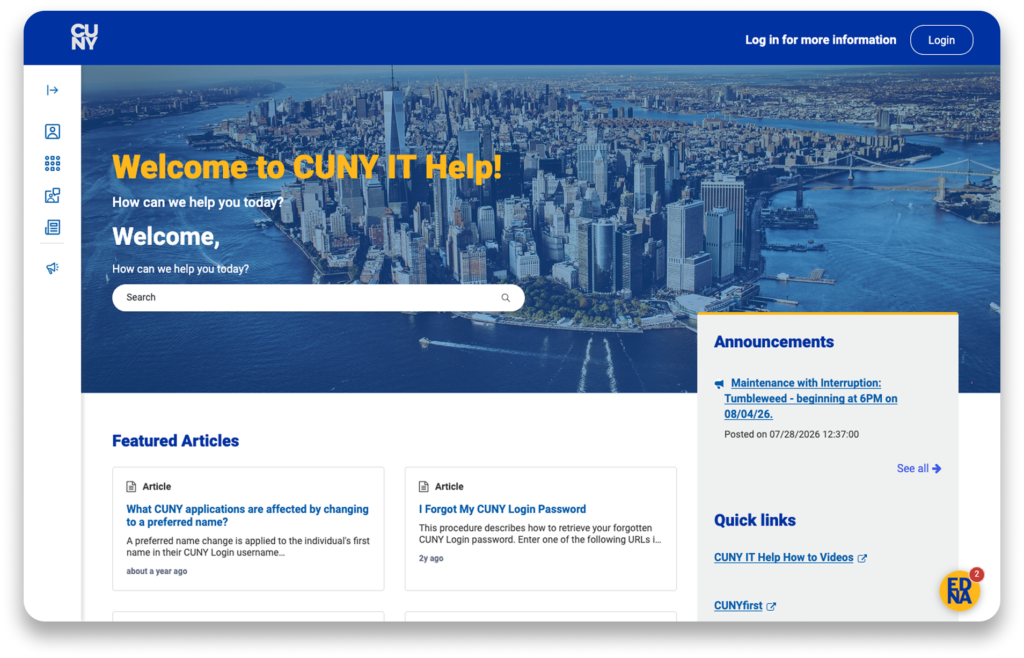
The City University of New York (CUNY) is the nation’s largest urban public university, with 25 colleges and professional schools serving over 275,000 students, faculty, and staff across New York City.
Website Design & Development / Office of the Senate Legislative Counsel
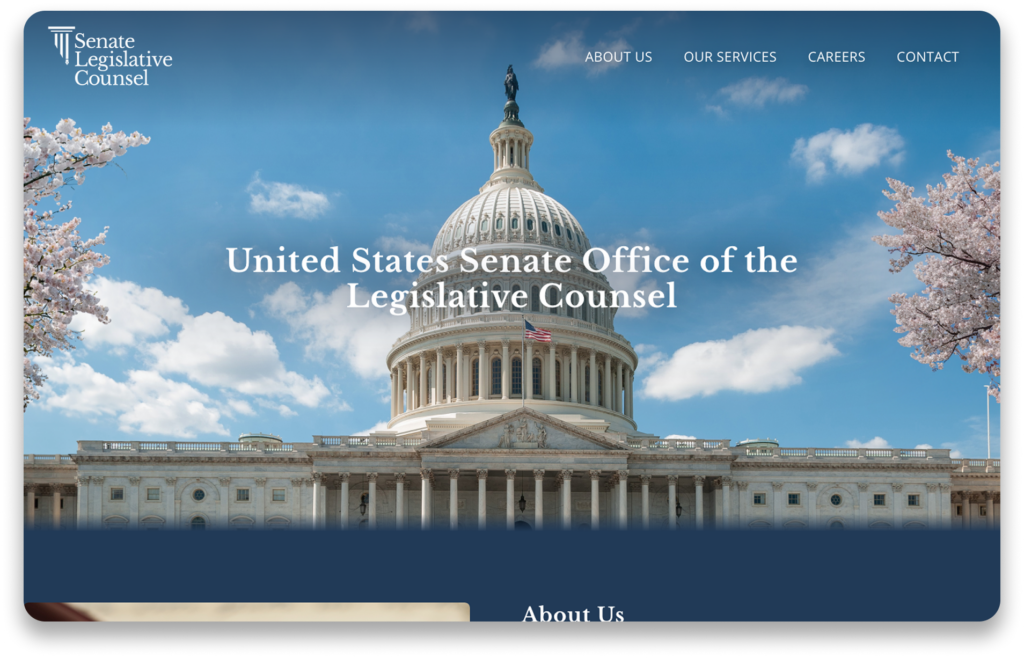
The Office of the Senate Legislative Counsel provides expert, nonpartisan drafting assistance to United States Senators and Senate committees — playing a critical but often behind-the-scenes role in the legislative process.
No projects found in this category.
Join our
Team!
We genuinely look forward to connecting with you and learning about your vision. Our team is dedicated to creating meaningful solutions that help your business thrive.